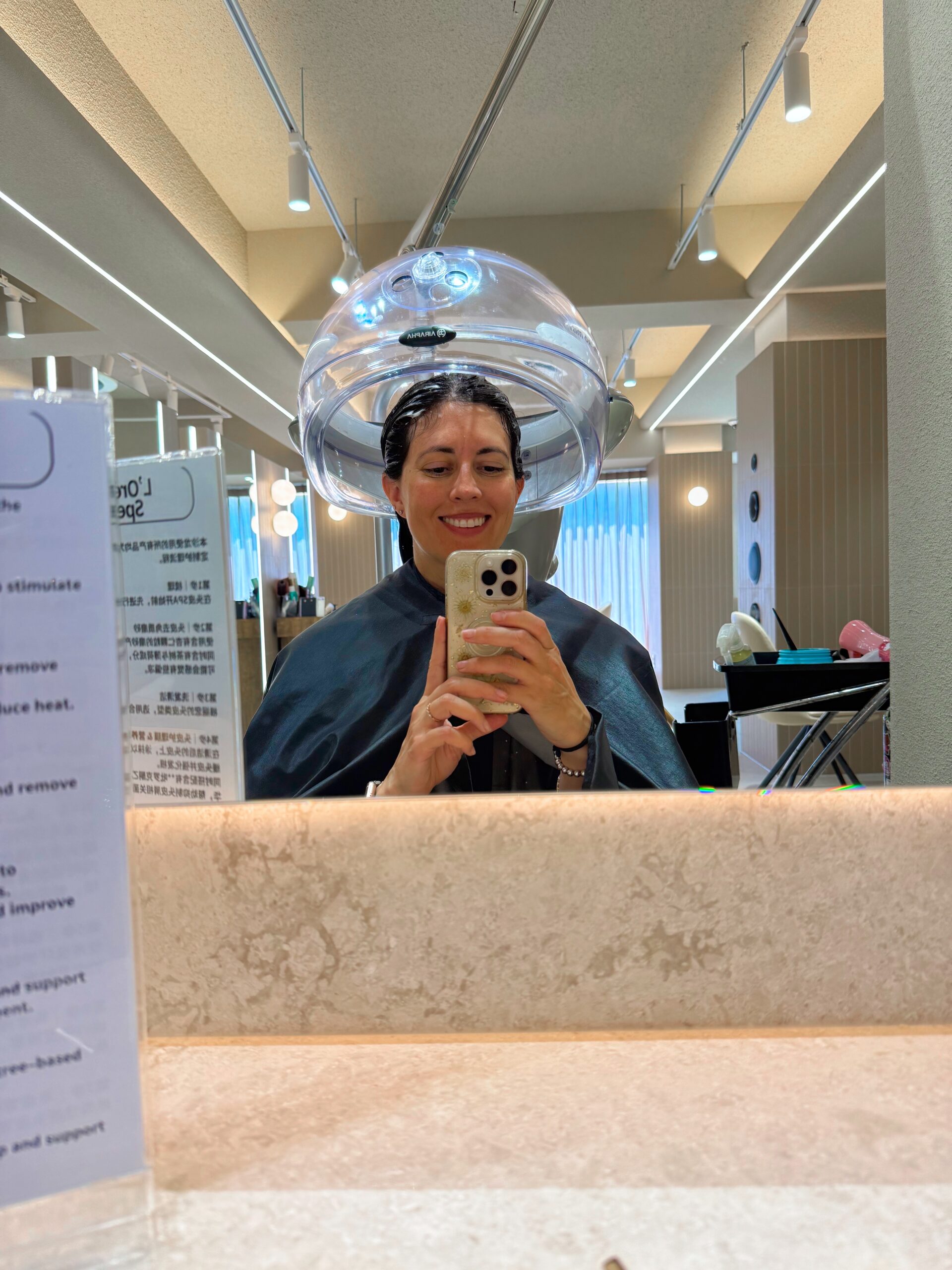
Sharing details about my Korean head spa experience and why I should book a trip to Korea for this (but also for the amazing culture, food, and people!).
Hello friends! How are you? I hope you are having a good morning so far. We are officially back in the swing of life around here. I posted a barre class yesterday, and we have a mold remediation appointment today. Now that we’re back in town, it’s time to face that monster.
But for now, let’s talk about relaxation and spa-y things… like my amazing Korean head spa experience.
Here are all my Korean and Japanese posts in one place – I’ll be adding links as they go live!
Seoul recap, what we did and what we ate
Tokyo and Kyoto tours and travel tips
We ate in Japan
My Korean Head Spa Experience (this post)
When we decided to visit Korea, I knew I wanted to take advantage of some skin or beauty treatments. Although it would have been easier to go WILD, I didn’t want to miss out on having fun with the family. I thought a head spa appointment would be perfect because it would take an hour or so, there were many places near our hotel, and they all had amazing reviews.
I booked a last minute appointment at Hair the Beau and had no idea what to expect.
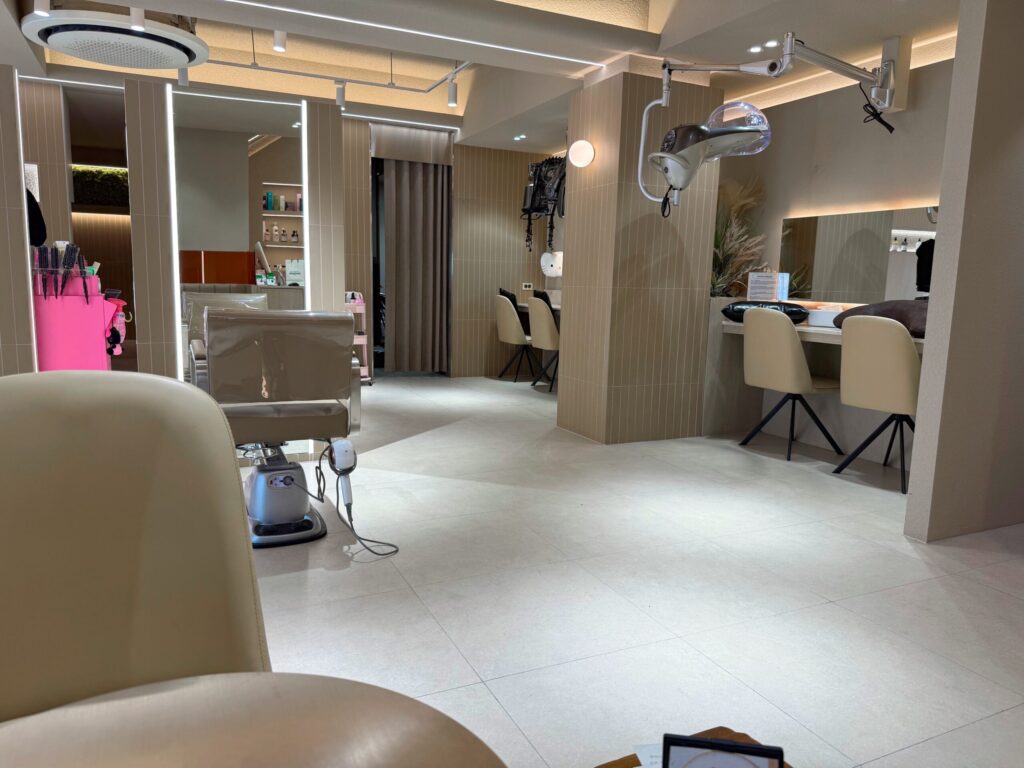
When I walked in, the head stylist, Raon, introduced himself and helped me fix the locker. I was then taken to a residential area to have my head examined.
I won’t post a before photo here, but let’s just say my scalp was horrible. Before this time, I washed my hair once a week. My hair is really dry, and I felt like washing it would help prevent dryness. My hair didn’t get greasy, and it could hold a curl or style for a long time, so I didn’t really feel the need to wash it very often. I thought it was better for me?
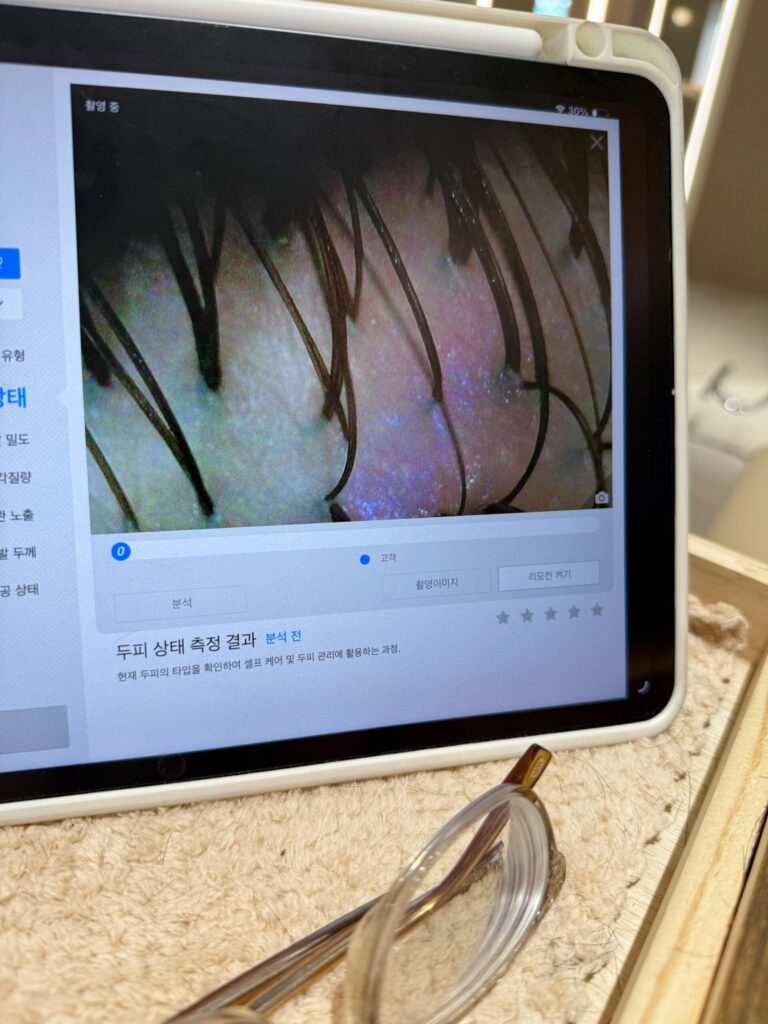
It turned out that the root of my hair had a lot of buildup from brown and dead skin. I felt really sick when he scanned my scalp and the image was displayed on a small screen in real time.
He recommended a full treatment and said it would take about two hours. I told him I had an hour or so, and he said they could finish everything in an hour and 15 minutes, which worked for me. (The pilot and the kids had been to the zoo, so I figured they would be entertained for a while.)
He also explained that my hair would be more expensive because it was long. I didn’t know what I was getting myself into, but I decided to trust the process and the amazing reviews I read online.
My Korean Head Spa experience
Beau Hongdae’s hair
Complete treatment:
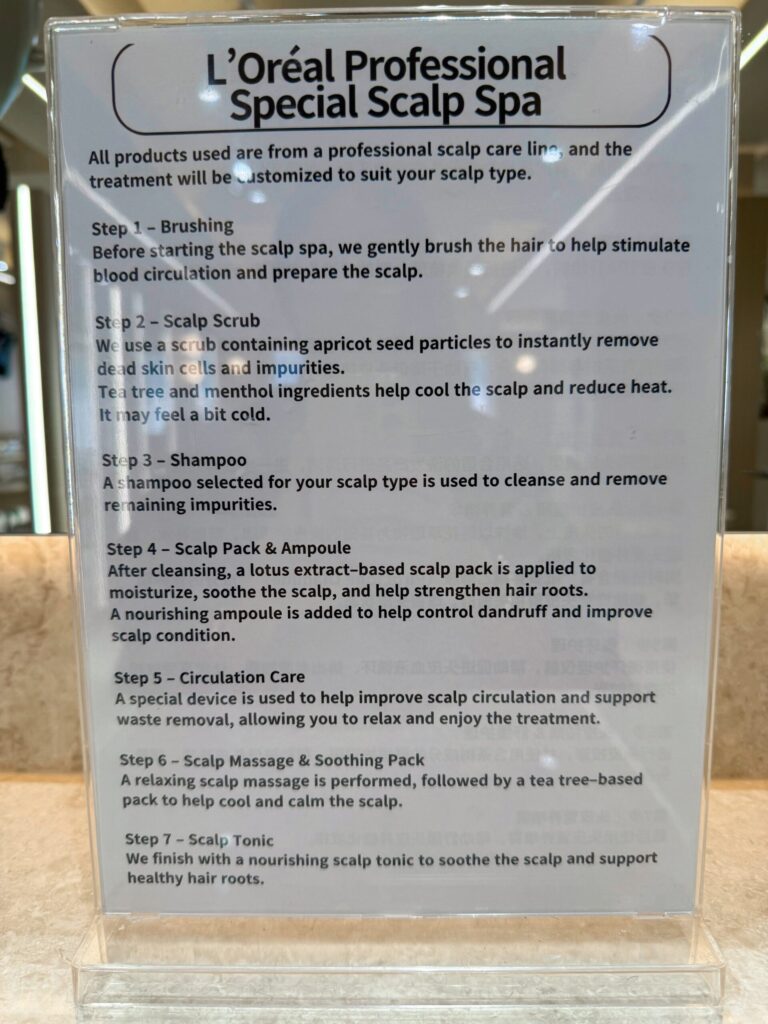
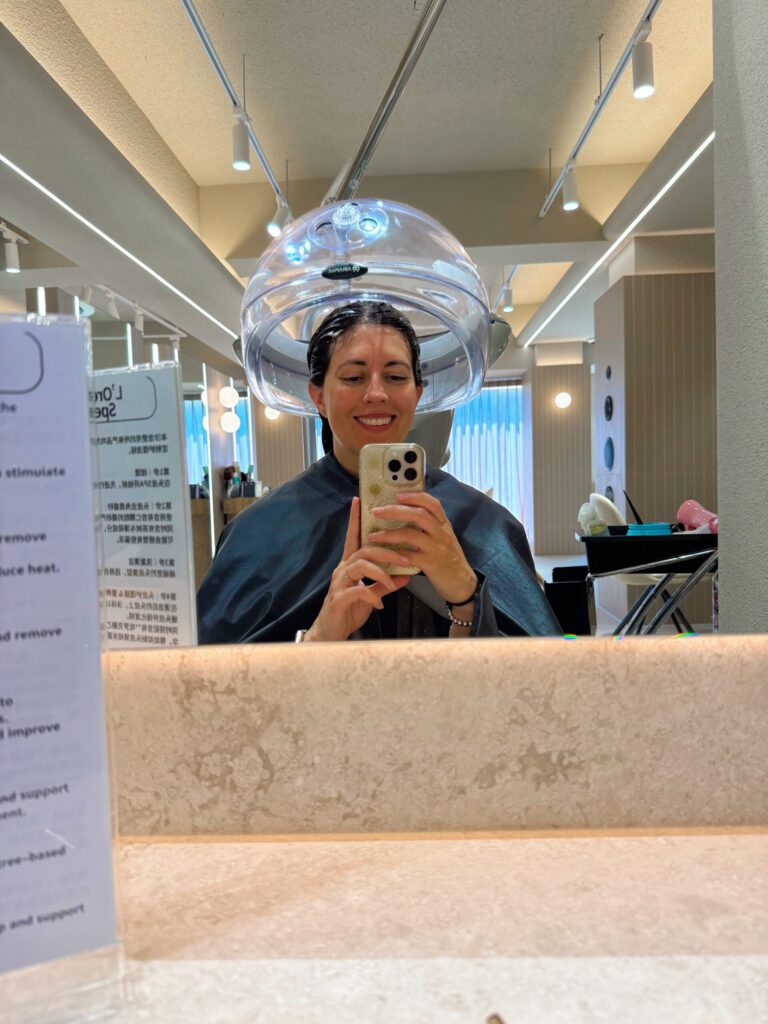
He sat me down and another stylist came, they started brushing my hair. After it was completely mixed, they added the elixir all over my head, scrubbed it in, and put the bubbler machine on top of my head for five minutes. I’m not sure what the bubble machine did, but I can assure you that Korea is living in the future.
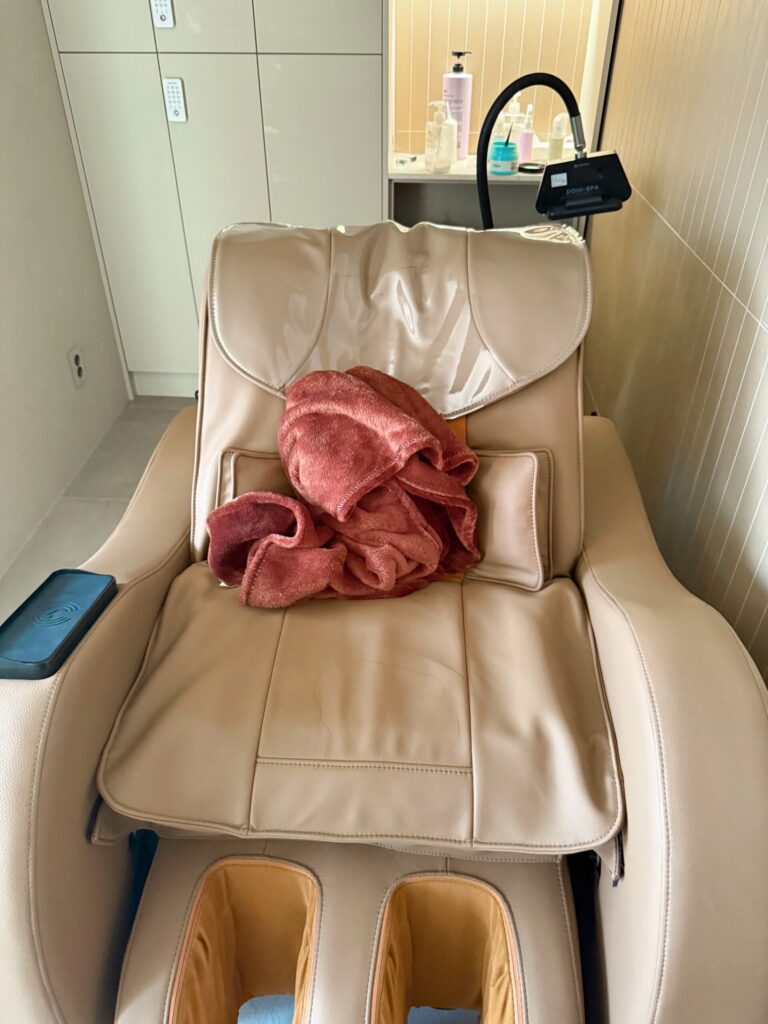
After that, it was time to head to a separate room, which is where most of the treatment takes place. The shampoo bowl had a seat that doubles as a full body massager, and it felt heavenly.
He started working on my hair and honestly, I passed out a lot during this part of the experience. She washed my hair maybe six times, added a mask, lots of elixirs, a peptide treatment, a cool waterfall cleansing, and then massaged my head and shoulders for what felt like 20 minutes. It was pure joy. The scalp massage is usually my favorite part of the massage anyway, so this was next level.
After the treatment, they took me to the styling chair and wiped my scalp. I couldn’t believe the difference. It looked clean and healthy.
Then they hit the tandem and straightened my hair,
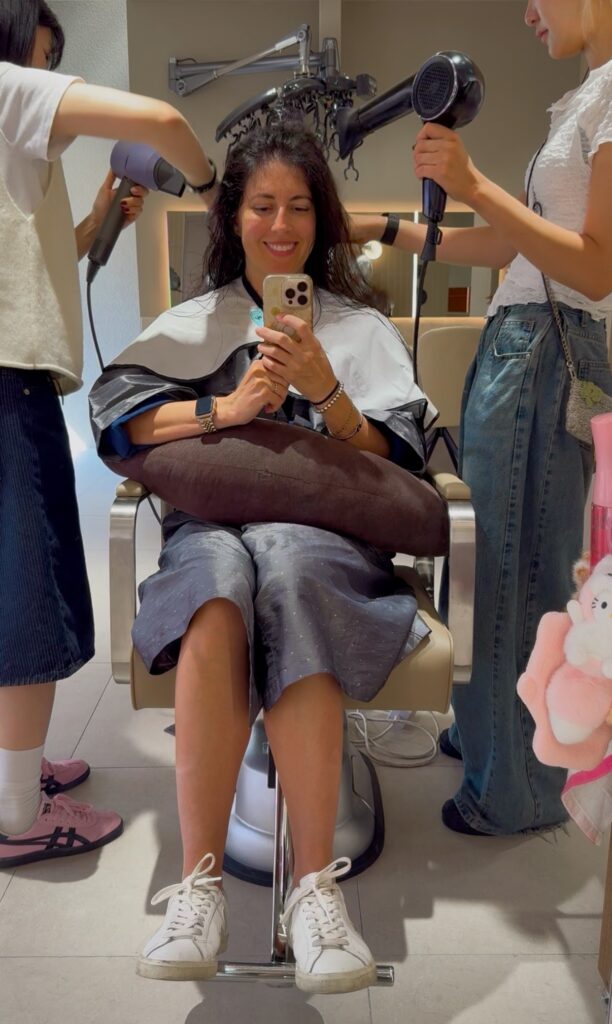
and my hair felt the best it had ever felt in my entire life.
This is a screenshot from IG with a filter but you can see how smooth and shiny they are!
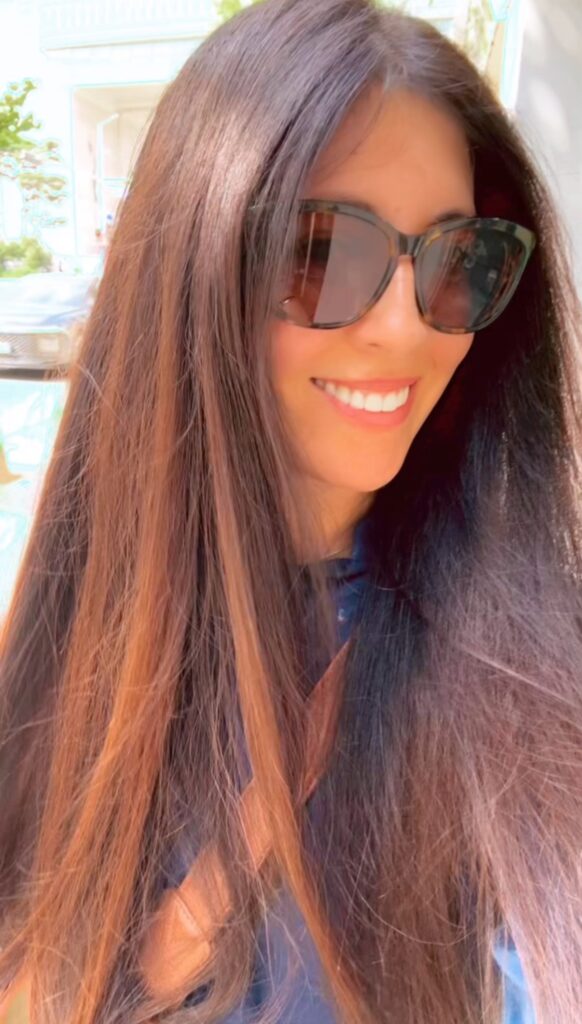
She also shared her recommended products to maintain my results at home, and I ended up buying a shampoo, mask, hair milk, and elixir.
Here are recommended steps at home:
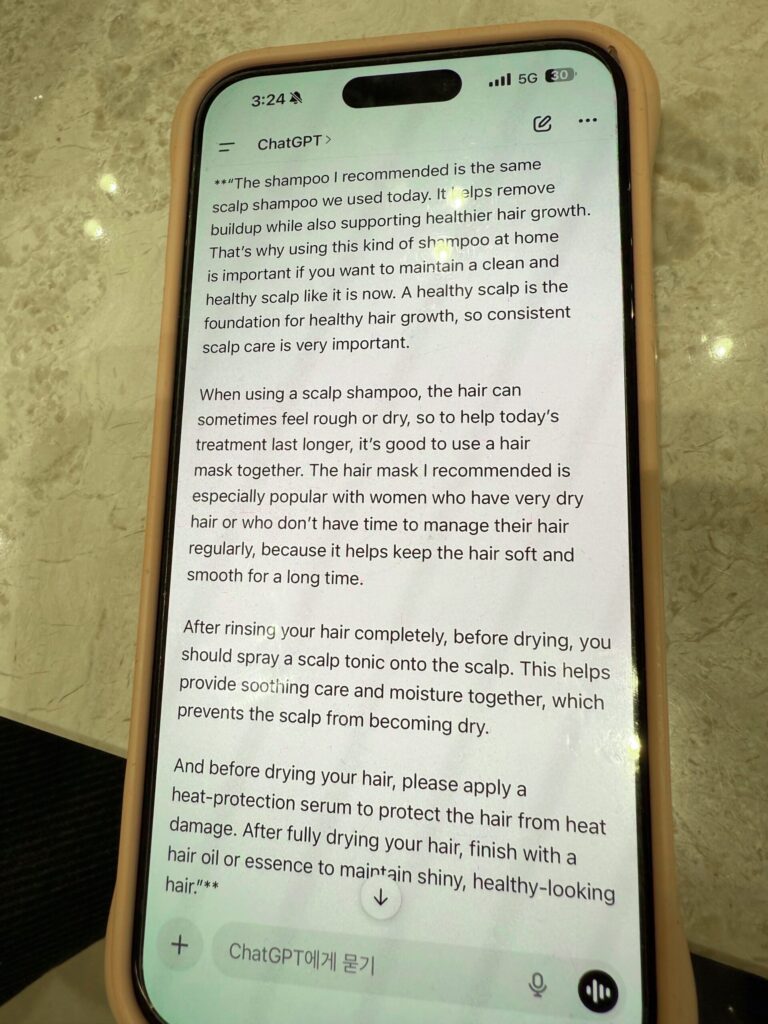
I also linked everything I could find online in this collection!
The grand total was about $375 for treatments and products. In the States, the treatment alone would be around $500. If you find yourself in Seoul, I highly recommend seeking out a scalp spa treatment. I also heard amazing things about skincare, lasers, body treatments, and traditional medicine in Seoul.
Have you ever done something like this before? If you did it in the States, how much did it cost??
A friend recommended a scalper here in Tucson, so if I end up doing it again in your area, it will be interesting to compare.
Have a great day, and I’ll see you tomorrow for a giveaway!
no
Gina