Walking is one of the best low-impact forms of exercise for women over 40, especially if your joints no longer like high-intensity exercise.
But here’s a question I hear all the time:
Can walking really help you build lean muscle?
The answer is yes.
While walking won’t create big muscles, it absolutely helps strengthen your lower body, preserve lean muscle during menopause, and improve endurance, balance, and metabolism.
And with a few smart upgrades, your daily commute can be an incredibly energy-building exercise.
At 60 years old, walking is still one of my favorite tools to stay fit, strong, and consistent without beating my body.
If you’re looking for a holistic way to support healthy aging, walking deserves a place in your schedule.
Does Walking Build Lean Muscle?
Yes. Walking can help build and maintain lean muscle, especially in your lower body.
Every step activates important muscles that support strength, posture, stability, and mobility. Although walking is not the same as lifting heavy weights, it still challenges your muscles enough to improve endurance and maintain muscle tone.
This is even more important after 40.
As estrogen levels drop during menopause, women naturally begin to lose muscle mass more quickly. That loss can affect:
- the body
- balance
- bone health
- strength
- energy levels
That’s why maintaining lean tissue is one of the best things you can do for healthy aging.
Regular walking, especially when combined with strength training and adequate protein, helps support muscle retention without unnecessary stress on your joints.
What Muscles Are Active?
Walking uses large muscle groups throughout your body.
Glutes
Your glutes help stabilize your hips and power your stride.
Quadriceps
The muscles in the front of your thighs help straighten your knees when you walk.
Hamstrings
These muscles support hip movement and help bend your knees.
Calves
Your calves push you forward with each step.
Core Muscles
Your spine helps maintain posture, balance, and stability while walking.
If you add hills, speed, or resistance, these muscles work even harder.
8 Ways to Build Lean Muscle While Walking
These simple mobility improvements can help women over 40 strengthen their legs, support metabolism, maintain lean muscles, and stay active without putting extra stress on their joints.
1. Pick Up Your Speed
Walking briskly increases muscle engagement and raises your heart rate.
You don’t need to run. A fast pace that feels challenging but manageable is enough to recruit more muscle fibers and increase calorie burn.
I often tell women to aim for a pace where the conversation becomes difficult, but it can still happen.
You should finish your trip feeling energized, not tired.
2. Hike the Hills or Add a Retreat
If you want to strengthen your legs and glutes, hills are your best friend.
Walking uphill increases your performance:
- glutes
- muscle
- calves
- the quadriceps
Walking in reverse also improves your heart rate without adding to the pounding that comes with jogging.
If you’re on a treadmill, try increasing the incline by 2-5%. Outside, look for gentle hills or field steps.
Your backside will definitely feel the difference.
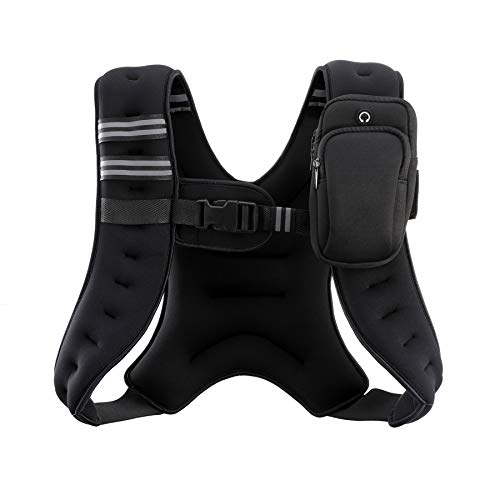
3. Wear a Weighted Vest
One of my favorite ways to increase the ability to walk safely is to wear a weighted vest.
A weighted vest adds equal resistance to your entire body, helping your muscles work harder while also supporting bone strength, something menopausal women should prioritize.
Start the light.
Even a 5- to 8-pound vest can make walking feel more challenging.
I prefer weighted vests to heavy backpacks because they distribute the weight more freely and put less strain on the shoulders and lower back.
4. Use Travel Intervals
Intervals are an excellent way to build endurance and support lean muscles.
Try this simple walking exercise:
- Walk fast for 1 minute
- Then recover at an easy pace for 2 minutes
- Repeat for 20-30 minutes
You can also add short uphill pushes or gentle jogging intervals if your joints tolerate it well.
Remember, low impact is still important.
5. Add Strength Training While Walking
This is one of my favorite ways to turn a simple walk into a full body workout.
Try adding bodyweight strength movements every few minutes.
Example:
- Walk for 5 minutes
- Do 10 squats
- Walk for 5 minutes
- Do 10 walking lunges
- Walk for 5 minutes
- Do 10 calf raises
It’s easy. It works well. It works well.
This combination helps build strength while keeping your heart rate up.

6. Step Back Carefully
Going backwards works your muscles differently than going forwards, especially your quads and core.
Now, safety starts here.
Only try to walk backwards on a flat, open surface or on a treadmill at a very slow speed while holding onto support if needed.
Even 30 seconds at a time can challenge your balance and muscle coordination in a whole new way.
7. Engage Your Upper Body
Don’t let your arms come along for the ride.
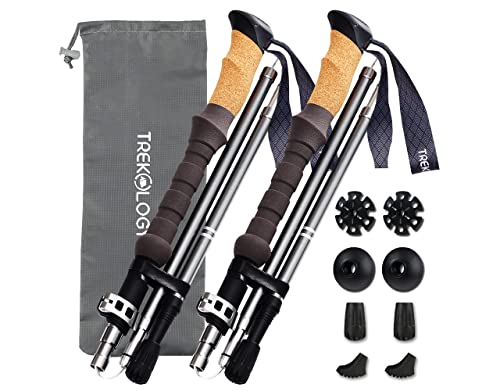
Purposefully swinging your arms or using poles can work your shoulders, upper back, and arms, making walking feel like a full-body workout.
Good posture is also important.
Stand tall. Relax your shoulders. Keep your spine straight.
Those small changes make a big difference in the long run.
8. Make Protein a Priority After Your Trip
Exercise regenerates muscle, but nutrition helps rebuild and maintain it.
Protein becomes more and more important as we age because our bodies are less efficient at maintaining muscle mass.
After a walk or workout, I aim for protein-rich foods like:
- Greek yogurt
- eggs
- cottage cheese
- lean chicken
- fish
- protein smoothies
Women over 40 benefit from spreading protein throughout the day instead of eating too much of it at dinner.
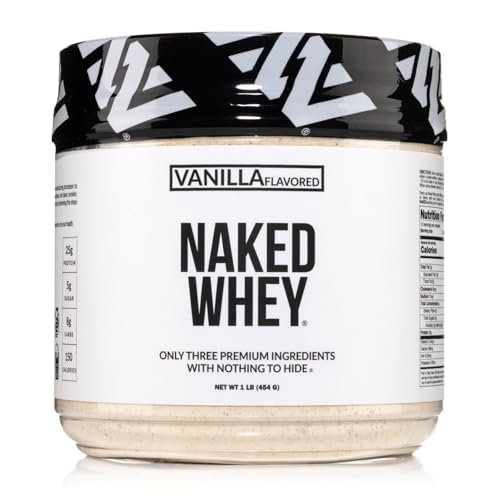
If you’re trying to meet your protein goals, a high-quality protein powder can help make things easier.
Use my Free Protein Calculator to see how much protein you should be targeting for your weight and activity level.
Can Walking Replace Strength Training?
Walking is good for your heart, patience, walking with your whole life.
But no, it shouldn’t replace strength training entirely.
The healthiest aging plan includes both:
- normal flow of heart health and energy
- resistance training for muscle and bone strength
I encourage women to strength train at least 2–3 times a week, even if using resistance bands or simple dumbbells at home.
That combination supports:
- the body
- stop
- balance
- confidence
- bone health
- long-term independence
Use my favorite strength training moves for women over 50 to get started!
The Bottom Line
Walking absolutely supports soft tissue and healthy aging.
Although it won’t build as big a muscle as lifting heavy weights, walking can strengthen your lower body, improve muscle endurance, support the body, and help preserve muscle during menopause and beyond.
And the best part?
Travel is affordable.
Collaborative-friendly.
And long lasting.
You don’t need extreme exercise to stay fit.
A consistent walking routine with a few smart upgrades can help you feel stronger, stronger, and more confident at every age.
Start where you are.
Build slowly.
And keep moving forward.
FAQ: Walking and Building Lean Muscle
Yes. Walking helps strengthen and maintain lean muscles, especially in your legs, glutes, and core. Adding hills, intervals, or resistance increases muscle activity even more.
Walking is great for endurance and cardiovascular health, but women over 50 should incorporate resistance training 2-3 times a week to support muscle and bone health.
Yes. Walking uphill increases the work on the glutes, hamstrings, calves, and quads, making walking more effective at building lean muscle.
Definitely. Walking supports heart health, mood, stress reduction, joint mobility, and maintaining lean muscles during menstruation.
A lightweight vest can safely increase strength and muscle engagement for many women. Start light and prioritize good posture and comfort.