The Old School Muscle Building Formula: Do’s and Don’ts for Building the Best Body


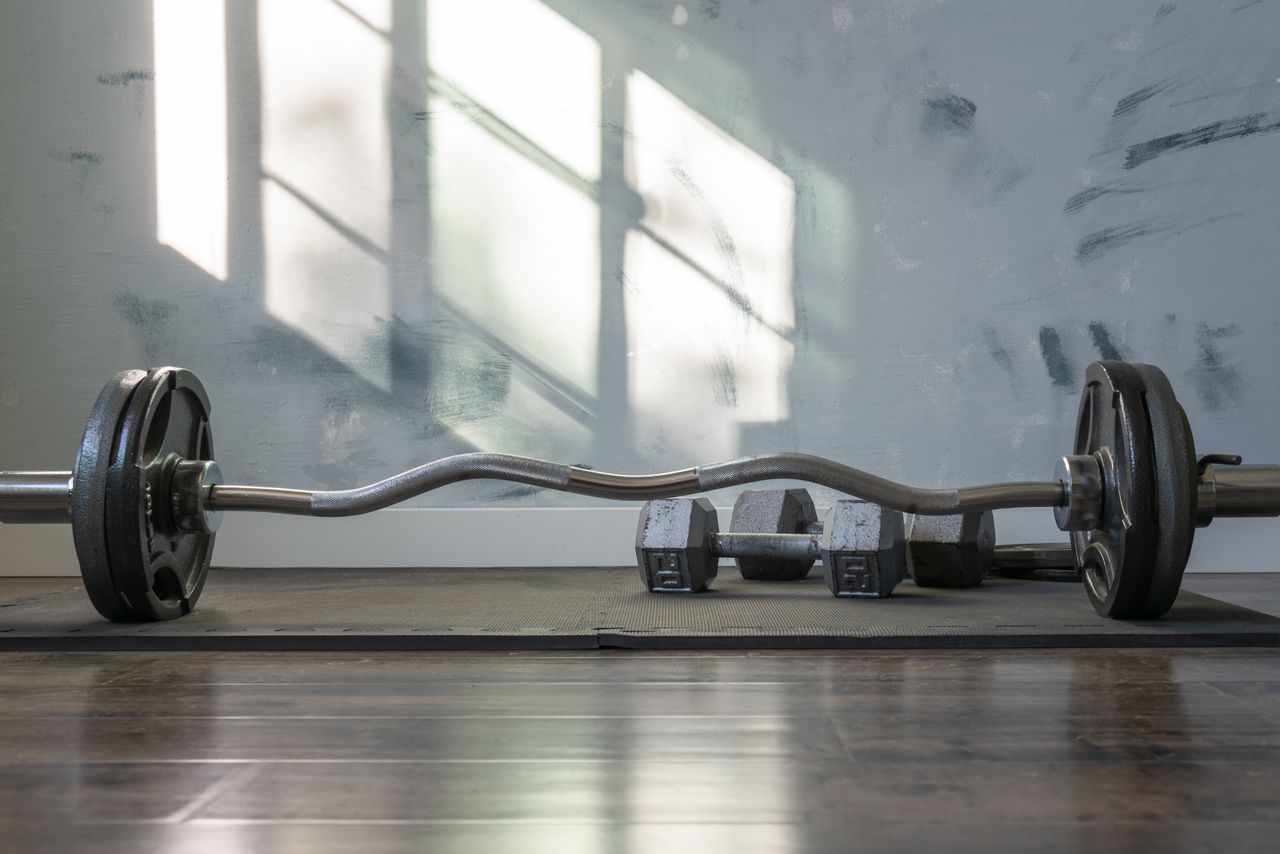
The basic premise of weight training is very simple: pick up something heavy, put it back down, repeat. That simple formula creates the strongest, most muscular bodies the world has ever seen. Long before fitness promoters, ring lights, Bosu balls and people filmed themselves doing lunges in the squat rack, the pioneers of the metal game discovered what worked – and spent the next century proving it.
In underground gyms around the world, the biggest and baddest bodies in the world are built doing basic movements: squats, deadlifts, bench presses, bent-over rows, pull-ups, bench presses, curls, dips and a number of other brutal exercises. The formula was simple: keep challenging the body with heavy resistance and force it to adapt by building more muscle and more strength.
And all was right with the world.
Then somewhere else, the fitness industry found two things: personal trainers and soccer moms.
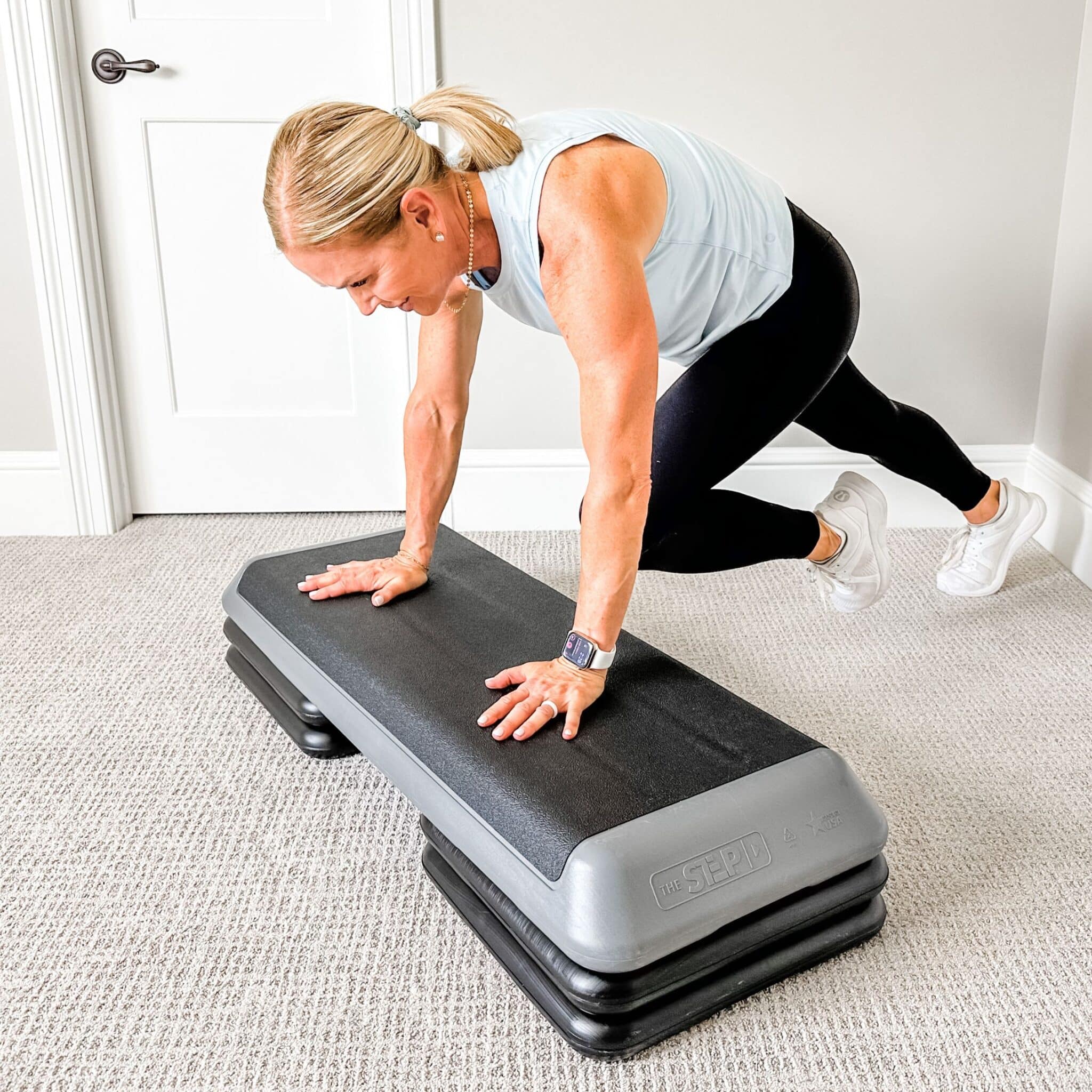
Now, before I get hate mail from coaches and parents in town, hear me out. Once fitness was marketed, trainers had to separate themselves from all the other trainers in the gym. Suddenly basic weight training was no longer enough. Everyone needed a “program,” “method,” “protocol,” or some new revolutionary way to make lifting weights look more complicated than just lifting weights.
Then the circus began.
Bands. Balls. Pink dumbbells. Rating boards. Standing on one foot while swinging a kettlebell over your head and praying your chiropractor has an opening next Thursday.
And while some of these things have their place, somewhere along the line we’ve missed the point: building muscle and strength has always responded best to overloading basic movements safely and consistently over time.
So let’s make things simple.
I GO TO THE GYM: The hardest part for most people is just showing up. Don’t stay home and say you will start on Monday. Monday turns into the following Monday, and before you know it, you’ve spent six months watching fitness videos and gaining weight.
DON’T walk into the gym blindly: Before you hit the weights, take the time to learn the proper exercises. Watch instructional videos, study movement patterns and practice basic exercises. Walking into the gym without knowing what you’re doing is like walking into the cockpit because you’ve watched Top Gun twice.
HIRE a coach – temporary: A good trainer can teach you how to move weight safely, establish proper equipment and prevent injury. That said, you don’t need to pay someone forever to stand there counting to ten while you scroll through Instagram between sets.
DON’T hire yourself by bursting: Contrary to popular belief, throwing weights like you’re opening artillery shells is not a prerequisite for building muscle. Applying force gradually while maintaining control puts the tension where it belongs: the muscle. Spend thirty years violently swinging, jumping and hitting heavy loads and eventually your knees, shoulders and hips will send you an invoice.
DO control the entire response: The weight should move because it has moved – not because momentum has done part of the work for you. Lift with control. Down with control. There is no bouncing. There is no fall. No fake gravity is part of your training program.
DO NOT rush your one-rep max in your first week at the gym: Your ego has no business deciding how much weight goes on the bar. Develop a strategy first. Power comes later.
DO a proper warm-up: Go bloody. Get your joints together. Prepare your body for action. A few minutes of preparation can save you months of remodeling.
And finally…
Do NOT push this too hard.
Fitness has become an industry largely built on convincing people that simple things need to be complicated. They don’t.
Building muscle has always been brutally simple: challenge the body, recover well, repeat. That formula creates every beautiful body you’ve ever loved. Not pink dumbbells. Imbalance in football. And certainly not a 22-year-old coach charging you a hundred bucks an hour to count your reps.
Take something heavy.
Put a heavy object down.
Repeat.
That worked a hundred years ago.
It’s still working now.