We are so blessed to have been given this amazing body that allows us to live in this life experience. The greatest joy we can derive from it depends on our health or lack thereof.
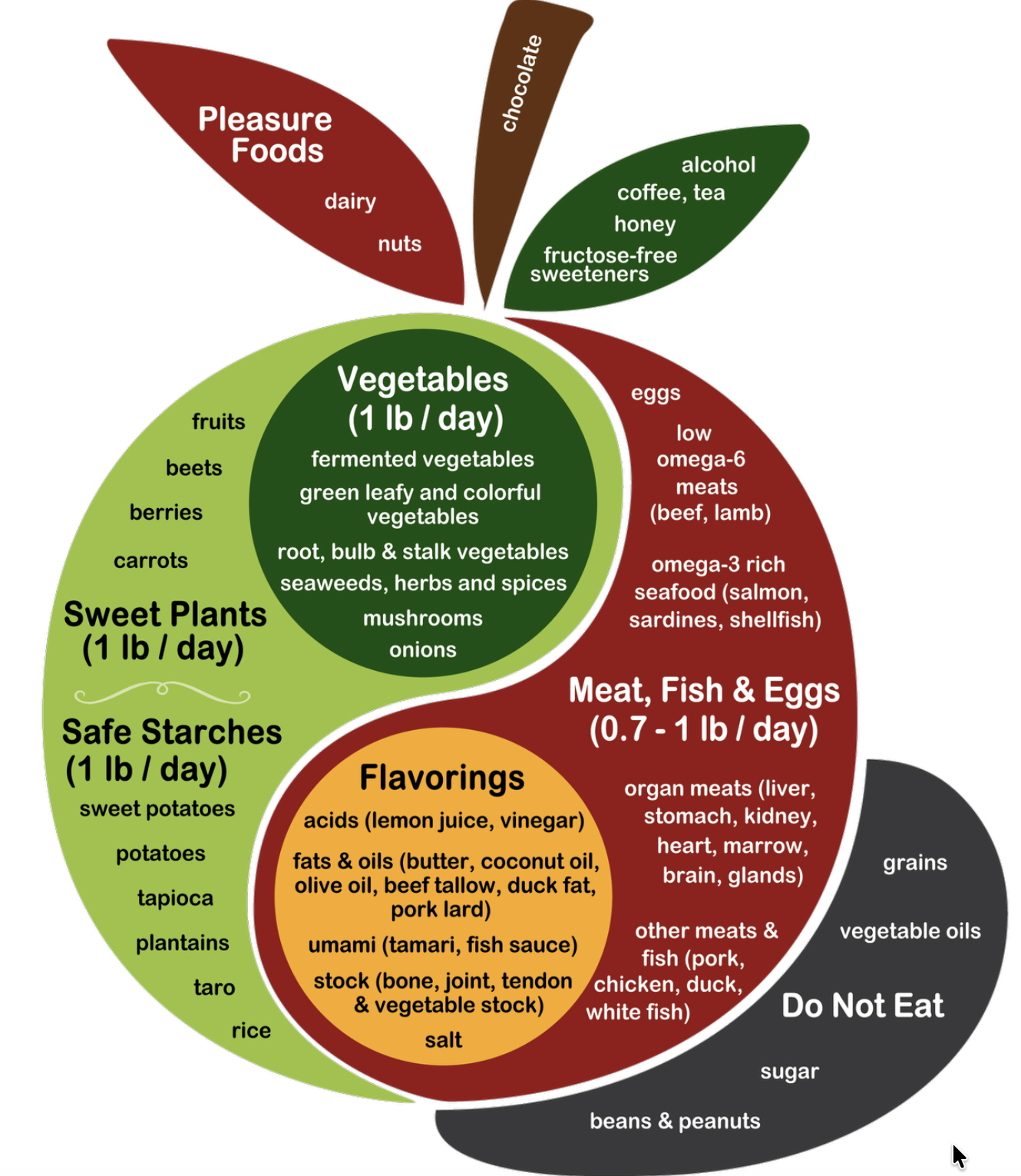
For the most part, we can contribute greatly to our physical well-being by being aware of how our body reacts to what we eat. Fortunately, we have a lot of information now about what is good and what is not good for us. Below are a few reminders:
What you eat is the true foundation of your physical and mental health. The food you eat determines how your body regulates energy, fights illness, and powers brain and emotional functioning.
Understanding exactly why nutrition is so important to your daily well-being comes down to a few key factors:
🧠 Fuel for Your Mind
Your brain works 24/7 and relies on a steady supply of nutrients. A diet rich in whole foods provides vitamins and antioxidants that protect your brain from oxidative stress. Conversely, foods high in refined sugars, seed oils such as corn oil, sunflower oil, canola oil, palm oil and highly processed foods promote inflammation, which can directly reduce your mood and mental focus.
🦠 The Gut-Brain Connection
Our intestinal tract is home to billions of bacteria (gut microbiome) that communicate directly with the brain. A diet rich in fiber and healthy fats feeds these bacteria, which reduces systemic inflammation and supports everything from your immune system to your mental health.
About 90 to 95% of serotonin is produced in the gut, mainly by specialized cells that line the gastrointestinal tract called enterochromaffin cells.
However, serotonin is found in the gut it cannot cross the blood brain barrier. Serotonin that affects your mood, sleep, and mood must be produced directly within your brain. The brain makes its own (about 5% of the total body) you use tryptophan, an amino acid you get from food.
Even though gut serotonin does not enter the brain, your gut still influences your mood through the gut-brain axis. Your gut microbiome (the bacteria that live in your gut) communicates with your nervous system by sending signals up the vagus nerve, which can influence how much serotonin your brain decides to produce.
🛡️ Disease Prevention
The food on your plate acts as preventative medicine. Eating more protein, and vegetables, helps control blood sugar and cholesterol, significantly reducing the long-term risk of chronic diseases such as type 2 diabetes, obesity and heart disease.
⚡ Continuous Power
Food provides the macronutrients your body needs to function: carbohydrates for quick energy, protein for muscle repair, and fat for cell structure. A nutritious, whole food provides a gradual release of energy, preventing the lazy crash associated with refined carbohydrates.
Emotional Health
What you eat supports your emotional life through it which directly regulates the production of mood chemicals, stabilizes blood sugar levels, and changes the physical structure of your brain.
Your gut and brain are in constant communication through a network known as the brain axis. This means that your daily food choices have a huge impact on how you handle stress, anxiety, and emotional highs and lows.
🧬 Neurotransmitter Production
Your body needs certain nutrients to create “feel good” chemicals like them serotonin again dopamine. Significantly, about 95% of your serotonin receptors they are found in your gut lining.
- Tryptophan and Vitamin B6: It is important for creating serotonin, which regulates mood, sleep, and emotional balance. It is found in bananas, eggs, and chicken.
- Folate (Vitamin B9): Aids in dopamine production. Found on leafy vegetables, lentils, and citrus fruits.
- Magnesium: It is important for managing stress and calming the nervous system. Found on almonds, spinach, and dark chocolate. 🩸 Blood Sugar and Cortisol Stabilization
When you eat highly processed, sugary foods, your blood sugar rises and crashes quickly. This crash causes your body to release stress hormones like cortisol and adrenaline to restore your blood sugar, causing sudden irritability, anxiety, and severe mood swings. Eating complex carbohydrates and fiber reduces the absorption of glucose, ensuring a strong, reliable flow of emotional energy.
🧠 Reducing Brain Inflammation
Chronic inflammation of the system it can damage brain health as well is strongly linked to higher levels of stress and anxiety.
“Low-premium” fuel, such as processed meats, refined sugars, and seed or vegetable oils such as canola oil, corn oil, sunflower oil, and palm oil promote cellular stress. On the other hand, Omega-3 fatty acids (found in sable fish, salmon, walnuts, and flaxseeds) and antioxidants (found in berries and green tea) actively protect your brain from damage, lower inflammation, and support emotional resilience.
Eggs are the nests of nutrients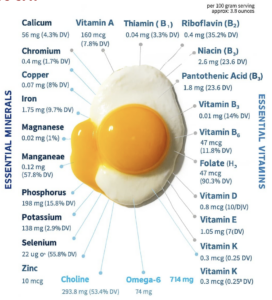
Eggs are a nutritional powerhouse, packing high-quality complete protein, brain-boosting choline, essential B vitamins, and eye-protecting antioxidants into one great package. Because the yolk holds most of these vitamins and minerals, eating the whole egg is the best way to get the full benefits.
Key nutrients that make eggs so good for your body include:
- High Quality Protein: One large egg contains about 6 grams of protein and all nine essential amino acids. This helps build and repair muscle, keeps you full, and supports a strong metabolism.
- Choline: Eggs are one of the best natural sources of this essential nutrient, ie it is important for brain health, memory, and nervous system function. It is very important for pregnant women to support the development of the baby’s brain.
- Lutein and Zeaxanthin: These powerful antioxidants are concentrated in your eyes. They help protect your retina and reduce the risk of age-related problems such as cataracts and macular degeneration.
- Vitamin B12: Important for keeping your nerves and blood cells healthy while helping your body produce DNA.
- Vitamin D: Egg yolks are one of the few natural food sources of Vitamin D, which is necessary strong bones and a healthy immune system.
- Healthy Fats: Eggs provide a mix of monounsaturated and polyunsaturated fats, as well as Omega-3 fatty acids (especially in hard-boiled eggs), which are good for heart and brain health.
Our amazing body is a gift that we need to take care of, because so much of our experience is influenced by how we feel physically and emotionally. Fortunately, we can control what we decide to eat and drink. Let’s make a promise to ourselves to choose wisely.