If you noticed that the number on the scale increases during menopause despite eating the same food and maintaining your normal routine, you are not imagining it. Menopausal weight gain is one of the most common concerns women face as they age, and it can feel incredibly frustrating when strategies that worked in your 30s and 40s no longer work.
As a trainer who has worked with women for over 35 years, and as a woman who has experienced menopause, I can tell you that weight changes during this stage of life are more than calories in and calories out. Hormonal fluctuations, muscle wasting, changes in metabolism, sleep disturbances, stress, and even gut health all play a role in how your body stores and uses energy.
The good news? Postmenopausal weight gain is not a personal failure, and dieting is not the solution. In fact, restrictive diets can often make it harder to maintain muscle, support metabolism, and feel your best.
Instead of focusing on eating less, let’s talk about what really works. Understanding what’s going on inside your body can help you make informed decisions that support healthy aging, maintain strong muscles, improve energy levels, and help you feel empowered and confident through menopause and beyond.
What Causes Menopause and Weight Gain?
Although many women gain weight during menopause, research shows that menopause itself is not necessarily the direct cause. Instead, several factors work together to change your body composition and metabolism:
- Muscle Loss and Body Composition Changes
- Increased Belly Fat
- Changes in Gut Health
- Changes in Fat & Sugar Metabolism
- Lifestyle Factors Like Sleep and Activity Levels
Let’s break these things down so you understand what’s happening in your body, and how to work with it, not against it.
Body Composition: Muscle Loss, Fat Gain
As we age, our muscles naturally decrease, while fat accumulation tends to increase. This is not just about beauty, it affects how your body burns calories, regulates energy, and maintains energy.
One big reason? A decrease in estrogen levels.
Estrogen plays an important role in fat distribution, and when levels drop during menopause, fat moves away from the hips and thighs (where women usually store it before menopause) and instead into the abdominal area.
Belly Fat & Menopause: The Visceral Fat Problem
One of the most frustrating changes is how your body stores fat differently after menopause, especially around your midsection.
This deep belly fat is called visceral fat, and unlike the fat that sits under your skin, visceral fat surrounds your internal organs. It has been linked to a higher risk of cardiovascular disease, insulin resistance, and inflammation.
The good news? You can reduce visceral fat by making lifestyle changes such as strength training, stress management, and eating a balanced diet.
Your Gut Health and Weight Loss
Did you know that your gut microbiome, the billions of bacteria that live in your gut, plays a major role in weight management?
During menopause, changes in estrogen levels can affect the diversity of your gut bacteria, which can affect:
- The way your body digests food
- Your desires and appetite
- Levels of inflammation, which can contribute to weight gain
A healthy gut means better digestion, metabolism, and hormone balance. Supporting your gut with foods rich in probiotics, good sources of fiber, and a variety of plant-based nutrients can help keep your body functioning properly.
Learn more about how nutrition can affect your menopause experience.
Fat & Sugar Metabolism: Why Your Body Burns Fat Differently Now
Menopause affects the way your body processes and stores fat and sugar.
Studies have found that postmenopausal women tend to have higher blood sugar and inflammation levels, even after eating the same diet as a premenopausal woman.
What does this mean to you? Your body may be more prone to:
- Blood sugar spikes and crashes (which can lead to thirst and energy dips)
- Storing fat instead of burning fat
- Increased inflammation, which can make weight management difficult
That’s why a balanced diet with protein, fiber, and healthy fats is so important. They help stabilize blood sugar, support metabolism, and keep you feeling full and energetic.
Need a little inspiration? Start with:
Here are my tips for getting 30g of protein per meal!
Lifestyle Factors: Sleep Levels, Stress and Activity
Besides hormonal and metabolic changes, lifestyle factors also play a major role in menopausal weight gain.
Less Sleep = More Cravings
Common menopausal symptoms such as night sweats and insomnia can make it difficult to get quality sleep. But here’s the kicker, lack of sleep disrupts your hunger hormones, making you crave more sugar and processed foods the next day.
Less Movement = Slower Metabolism
When your activity levels drop (which is common during midlife), your body doesn’t burn as many calories as it used to. And remember, muscle is metabolically active tissue, so losing muscle through inactivity can slow your metabolism.
More Stress = More Belly Fat
Midlife can be a stressful time, balancing work, family, and everything in between. But chronic stress leads to high levels of cortisol, which can contribute to weight gain (especially around the abdomen).
How To Avoid Menopause Gaining Weight Without Diet
Here’s what really works when it comes to maintaining a healthy weight during menopause:
Prioritize Strength Training
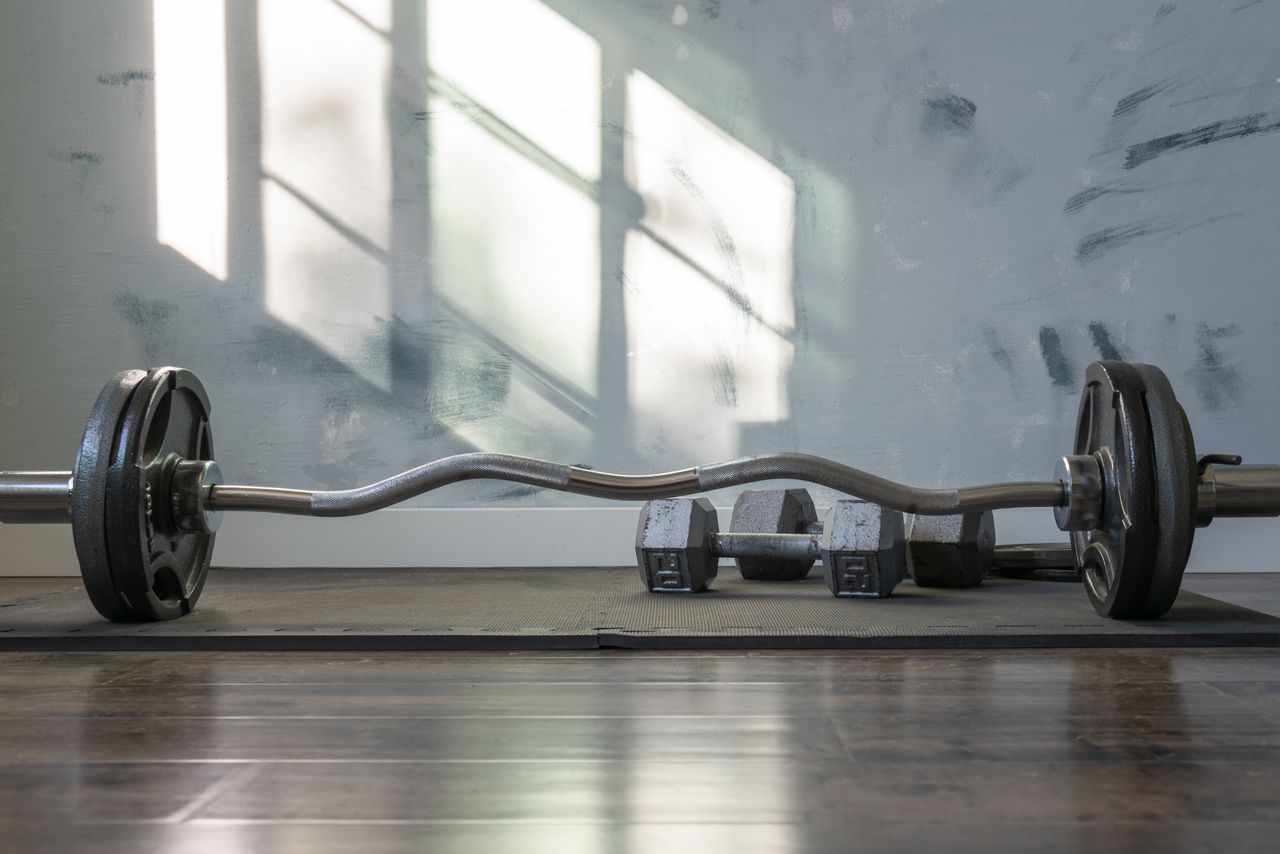
Muscle mass is your best defense against a sluggish metabolism. Lift weights 2-3 times a week to build and maintain lean muscle.
Use my favorite strength training moves for women over 50 to get started!
Eat More Protein and Healthy Fats
Protein helps maintain muscle, and healthy fats (such as avocado, nuts, and olive oil) support hormone balance and keep you full longer.
Use my Free Protein Calculator to see how much protein you should be targeting for your weight and activity level.
Support Your Gut Health
Load up on fiber-rich foods, fermented foods, and prebiotics to keep your gut microbiome diverse and thriving.
Commit to Sleep
Quality sleep helps regulate metabolism, reduce cravings, and improve overall well-being. Aim for 7+ hours each night and create a sleep routine that supports deep rest.
Try these sleep gadgets for midlife women to finally start getting better rest!
Move Every Day
It doesn’t have to be intense! Walk, stretch, do yoga, keep your body moving regularly to support metabolism and mobility.
I use my walking pad every day in addition to my regular exercise for more movement!

Manage Stress
Whether it’s meditation, deep breathing, or simply saying no to stressors, reducing stress will help regulate cortisol levels and support healthy weight management.
This is how I reduced stress from everyday life years ago with 5 simple tips!
You CAN take control of your life
Weight gain during menopause is normal, but it is not inevitable or out of your control. Instead of focusing on the scale or falling into a diet trap, focus on fueling your body, building strength, managing stress, and prioritizing sleep.
I am not suggesting that you should spend more money, but I bought the Oura ring and it has been very helpful in managing my lifestyle.
I can really see my sleep that was opening my eyes. I’ve learned that I don’t sleep as much as I thought I would and I’ve made changes in my life to increase my sleep and nap time.
I also realized that I am not good at recovery and have been making changes to allow my body to better prepare for exercise.
I also realized that daily movement IS the key to my overall health. Not just my one hour workout, but getting in the steps, moving my body and not sitting down can be an easy change anyone can make!
This stage of life is about feeling strong, capable, and powerful, not about denying yourself. Trust the process, make small changes that will make you happy, and remember: your body deserves to be taken care of at all stages of life.